

Precision You Can Trust
Our solutions ensure clean, dry sample gas while reliably protecting your analytical equipment. Flexible options such as Peltier coolers, compressor gas coolers, and membrane dryers provide compact, tailored gas conditioning solutions that meet the most demanding sample gas quality requirements—efficiently, reliably, and precisely adapted to your application.
You are currently viewing a placeholder content from YouTube. To access the actual content, click the button below. Please note that doing so will share data with third-party providers.
More InformationSample Gas Cooler
Cooling Solutions for Every Application
Our sample gas coolers are available with either compressor- or Peltier-based cooling technology and offer a wide range of heat exchanger options. Heat exchanger geometries and materials are carefully matched to the specific requirements of your application. Optional components such as pre-separators, filters, flow meters, acid dosing systems, humidity monitors, and gas pumps can be seamlessly integrated, transforming each cooler into a compact and customized sample gas conditioning solution tailored to your needs.
Whether you require a simple gas cooler for sample gas drying or a washout-optimized heat exchanger for emissions monitoring applications, our extensive product range ensures the ideal configuration for every requirement.
MAK Sample Gas Coolers & Gas Conditioning Systems
This product series comprises compressor- and Peltier-based sample gas coolers designed to meet the highest requirements for both condensate washout performance and consistently low outlet dew points. The MAK 10 and the newly developed MAK 20 offer flexible configuration options with one to four gas paths and can be equipped with all essential components for compact, efficient, and fully integrated sample gas conditioning.
Key Features
BCR Allround Compressor Gas Cooler
Designed for high flow rates and demanding applications, the BCR Allround series consists of compressor-based gas coolers that deliver rapid response times and reliable performance. Their robust design also makes them ideally suited for operation in hazardous (ATEX) environments.
Key Features
Our Top Products
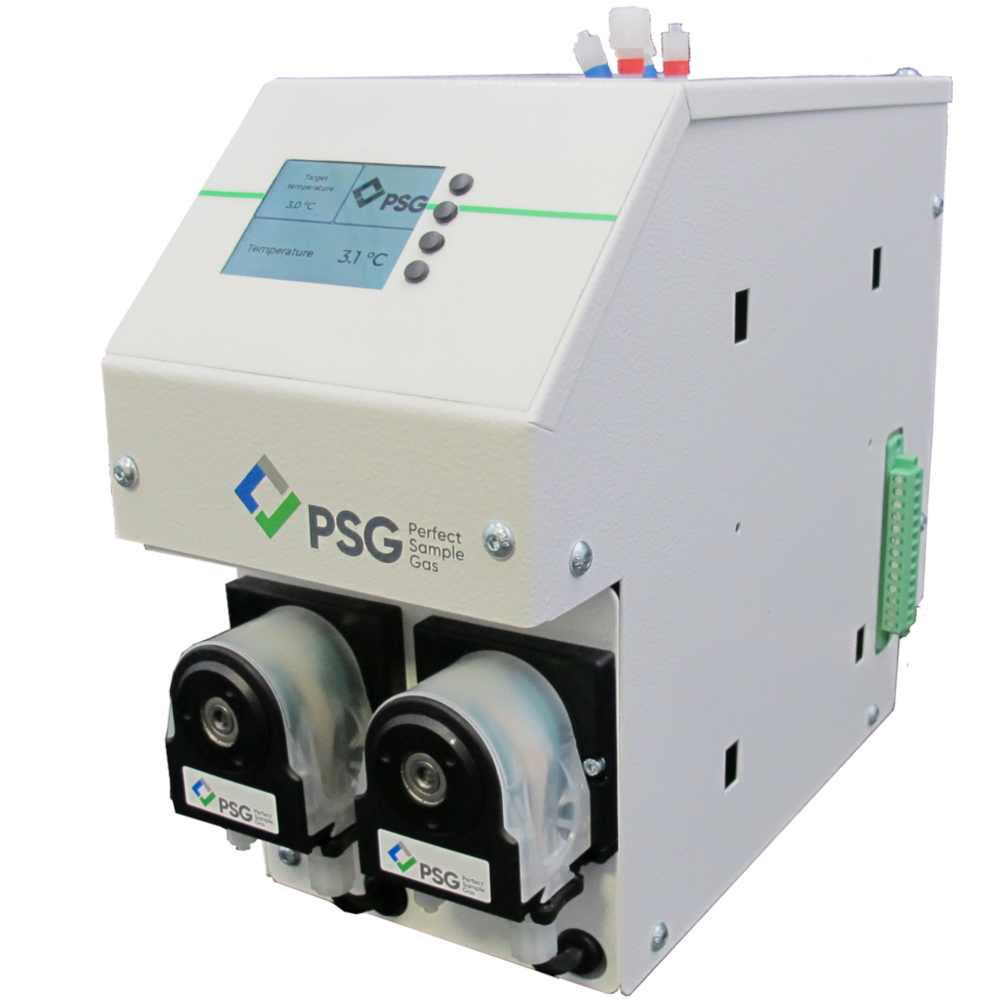
Thermoelectric Cooler for CEMS applications, 1-2 Gas Path, PVDF or SS Jetstream Heat Exchanger , flow rates up to 300 l/h
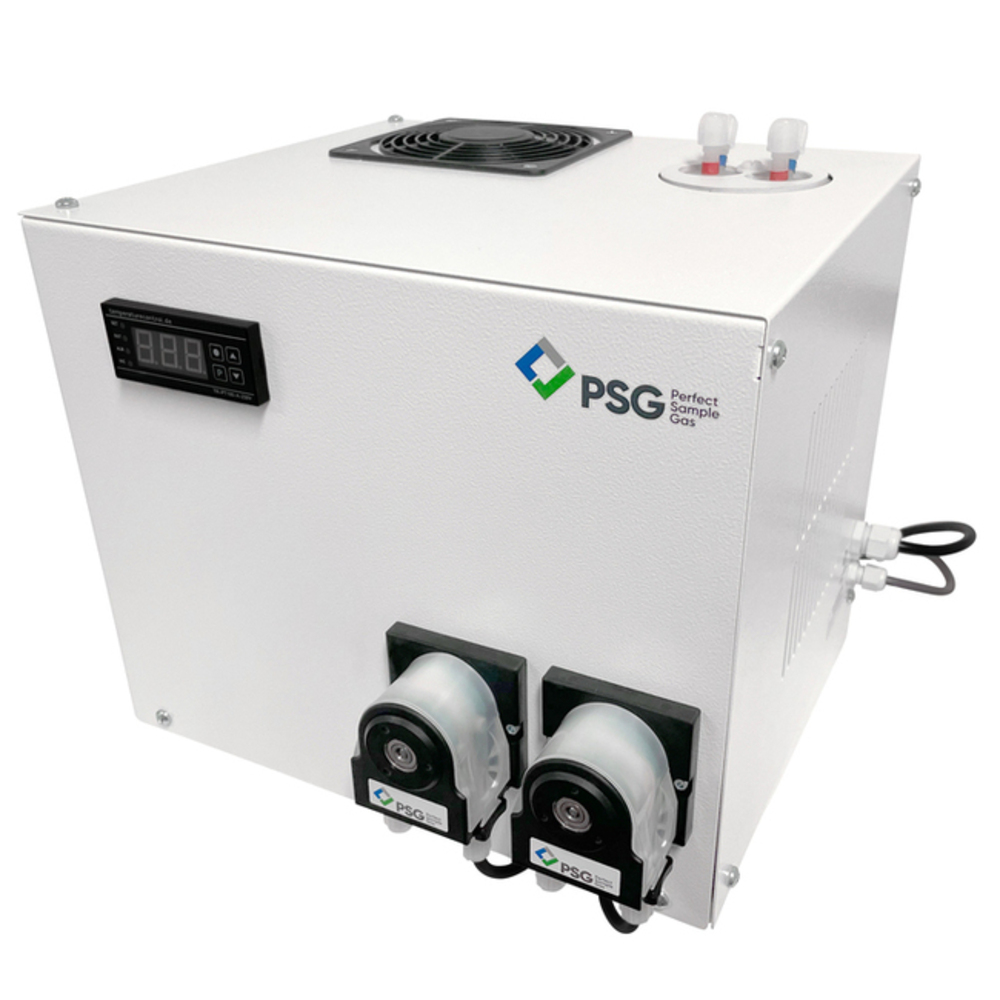
Compressor Cooler for CEMS applications, 1-2 Gas Path, PVDF Jetstream Heat Exchanger , flow rates up to 250 l/h
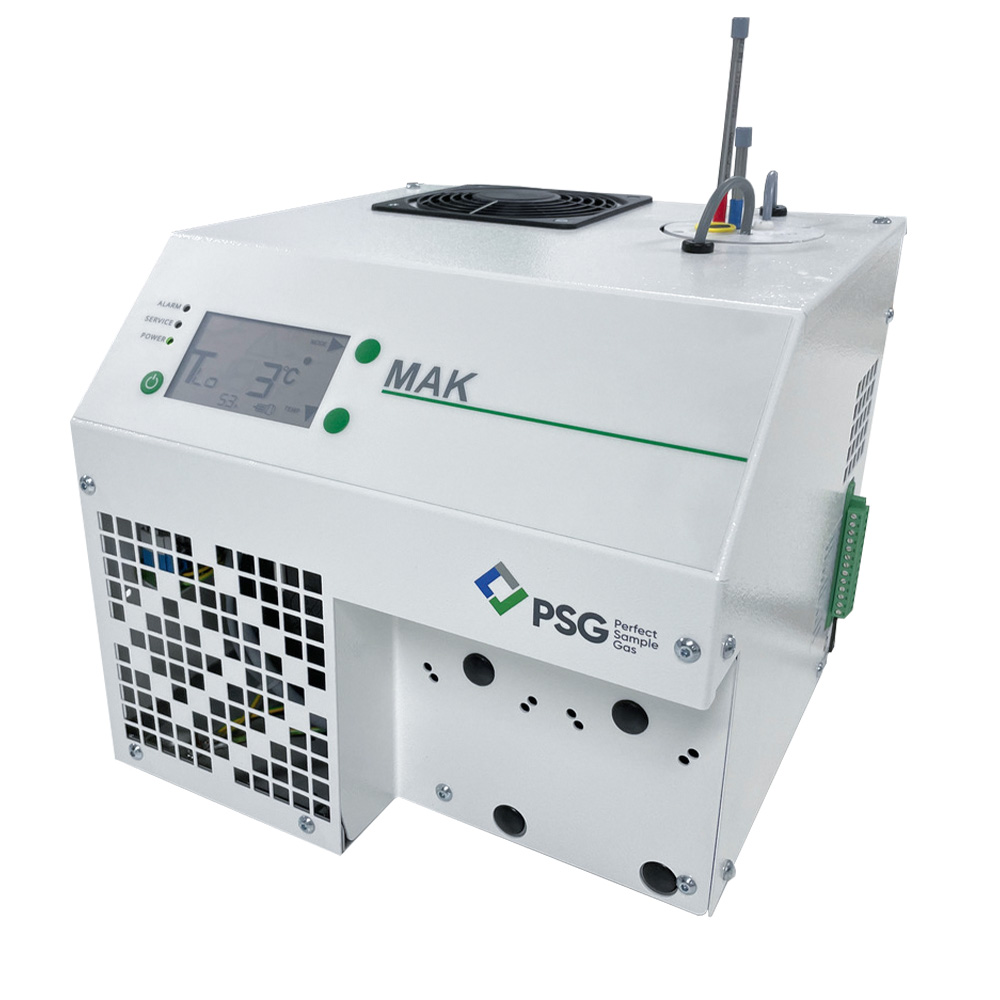
Compressor Cooler for Process Measurement (outlet dew point optimized), 1-2 Gas Path, Stainless Steel Heat Exchanger , flow rates up to 500 l/h, Operating pressure up to 100 bar, Additional Temperature Display following SIL

Compressor Cooler for CEMS (wash out optimized) with 1-4 Gas Path, Flow Rate up to 150 l/h and update options to full conditioing system
Thermo Electric Cooler for CEMS (wash out optimized) with 1-2 Gas Path, Flow Rate up to 150 l/h and update options to full conditioing system
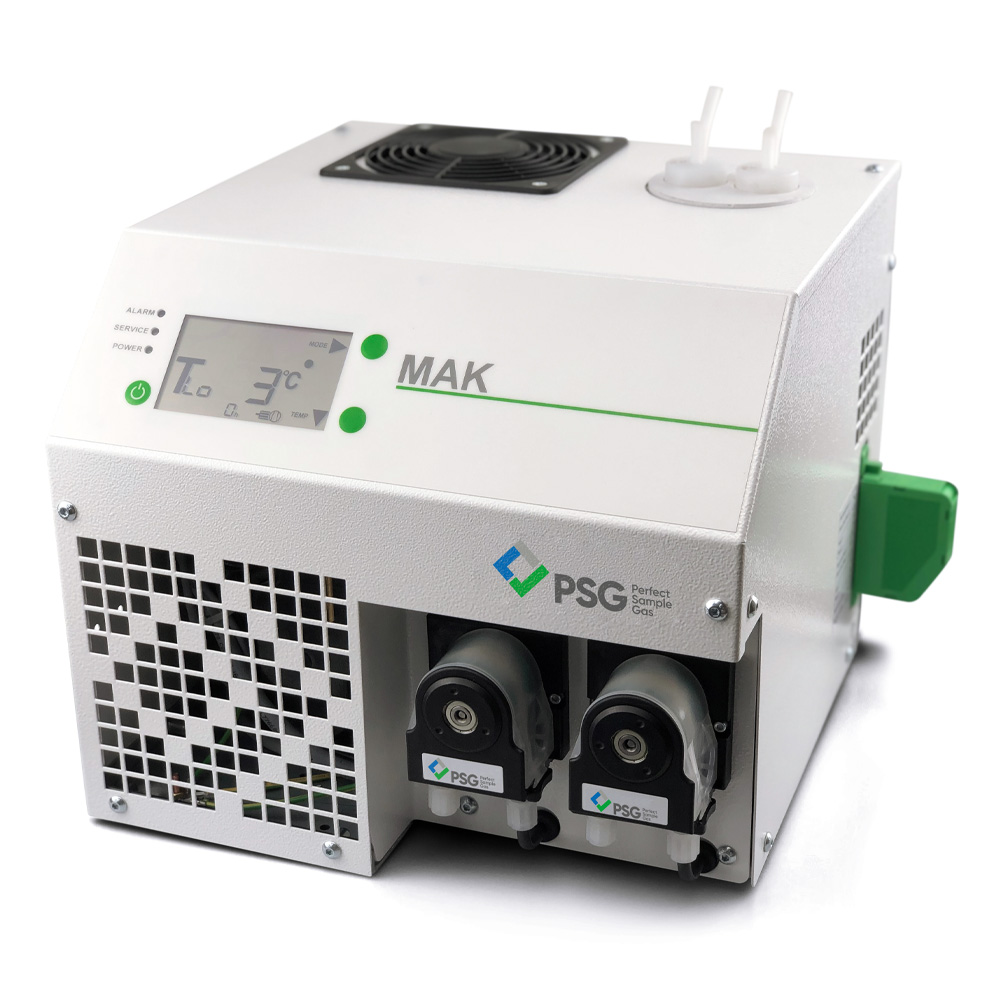
Compressor Cooler for CEMS (lowest wash out ratio) with JET Stream 1-4 Gas Path, Flow Rate up to 150 l/h and update options to full conditioing system
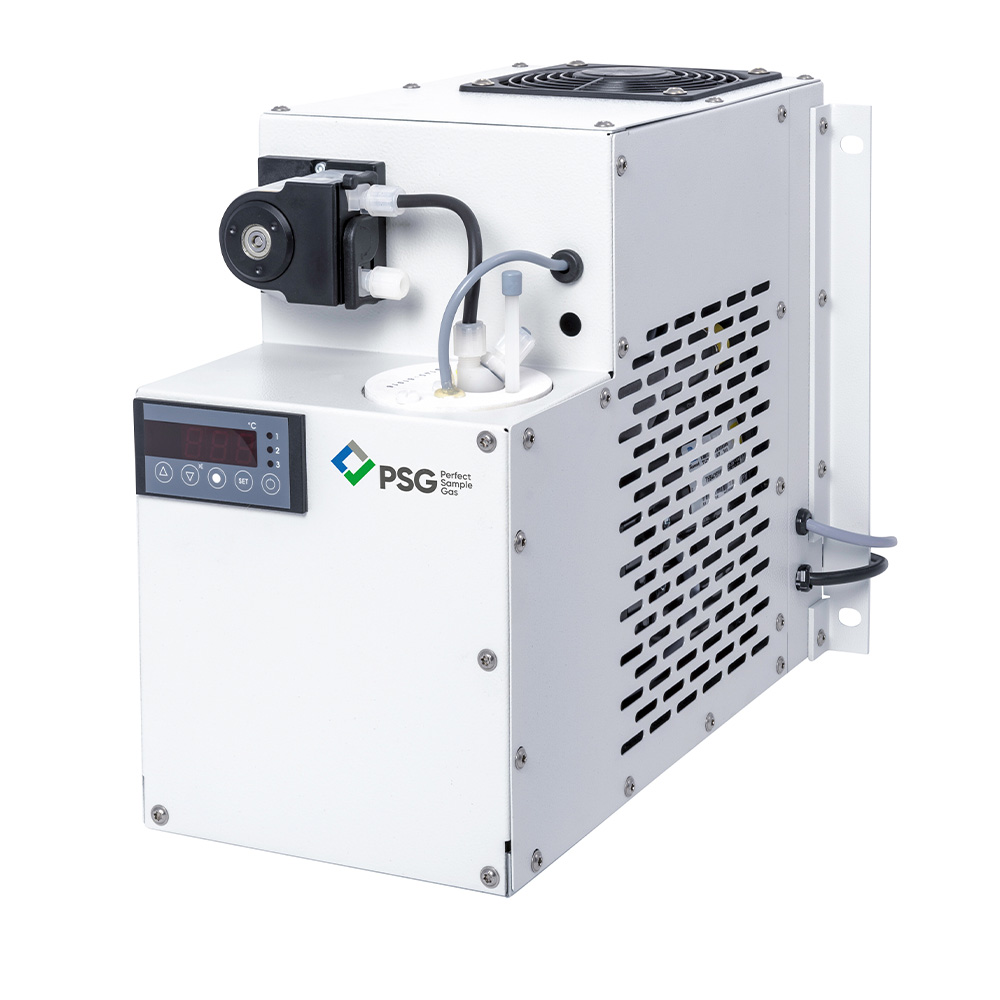
High Performance Compressor Cooler (outlet dew point optimized) with 1-2 Gas Path, Heat Exchanger in various Materials and flow rates up to 250 l/h
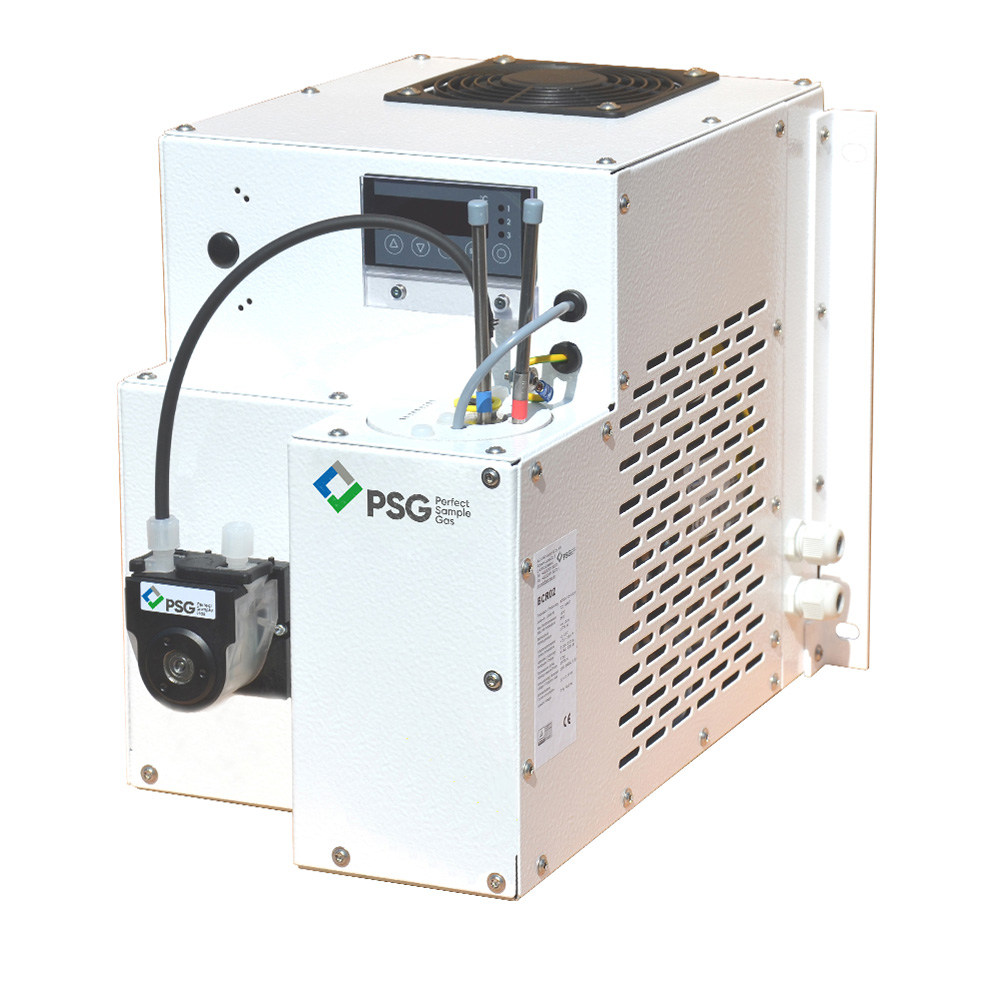
High Performance Compressor Cooler (outlet dew point optimized) with 1-2 Gas Path, Heat Exchanger in various Materials and flow rates up to 350 l/h
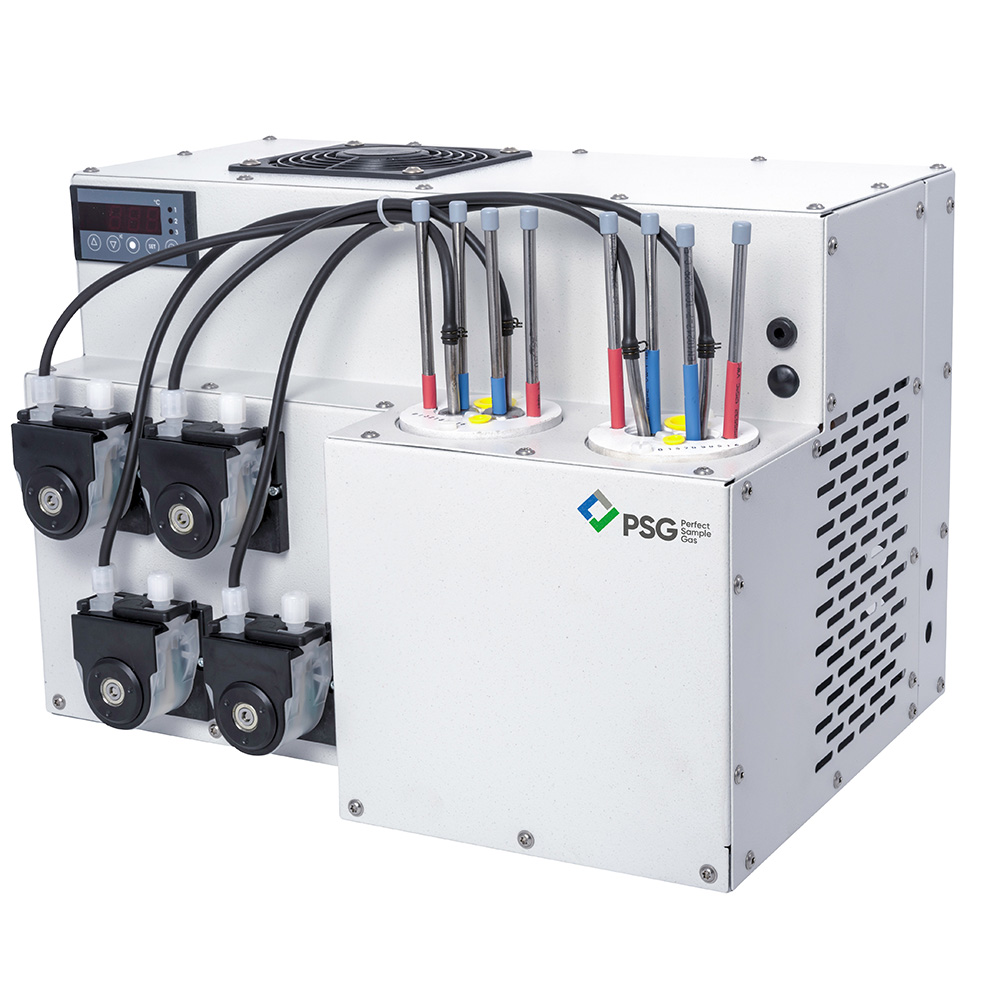
High Performance Compressor Cooler (outlet dew point optimized) with 1-4 Gas Path, Heat Exchanger in various Materials and flow rates up to 500 l/h
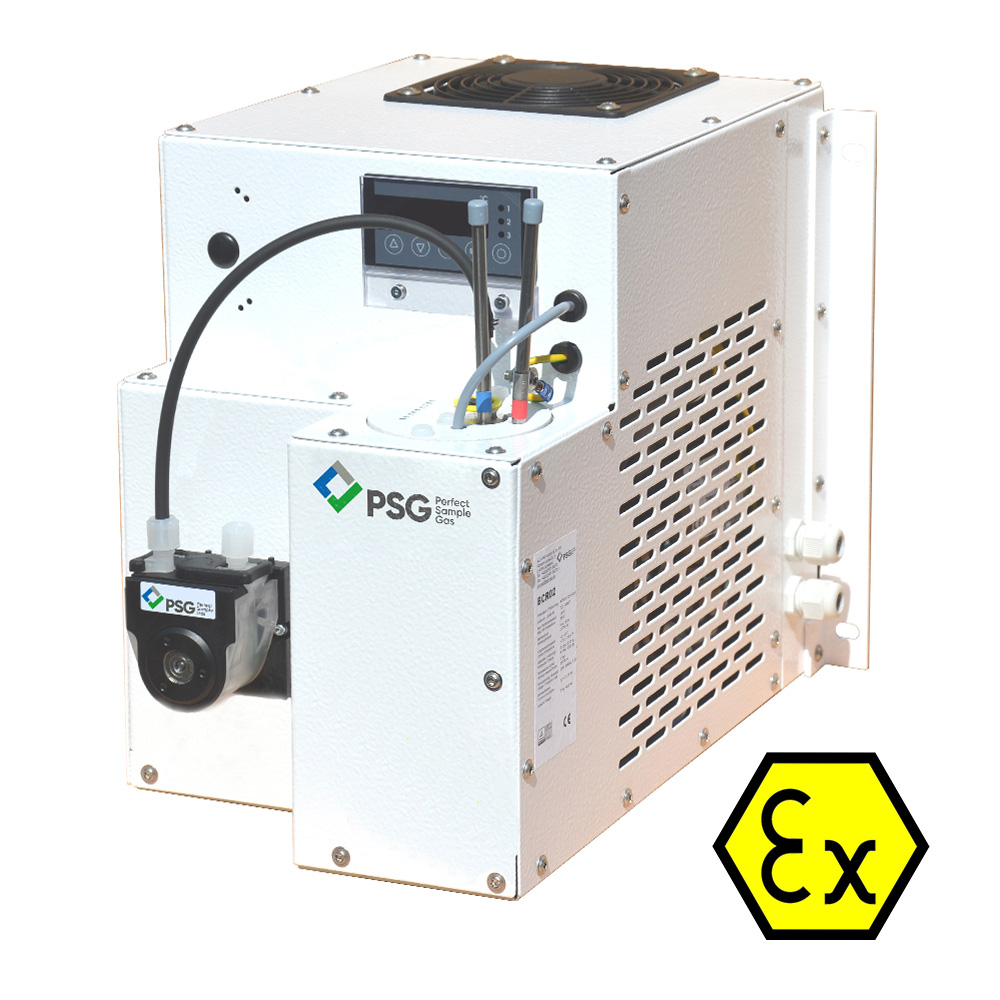
Compressor Cooler for Process Measurement (outlet dew point optimized), 1-2 Gas Path, Heat Exchanger in various Materials, flow rates up to 350 l/h for Atex-zone 2 (II 3G Ex nA nC T4 Gc)
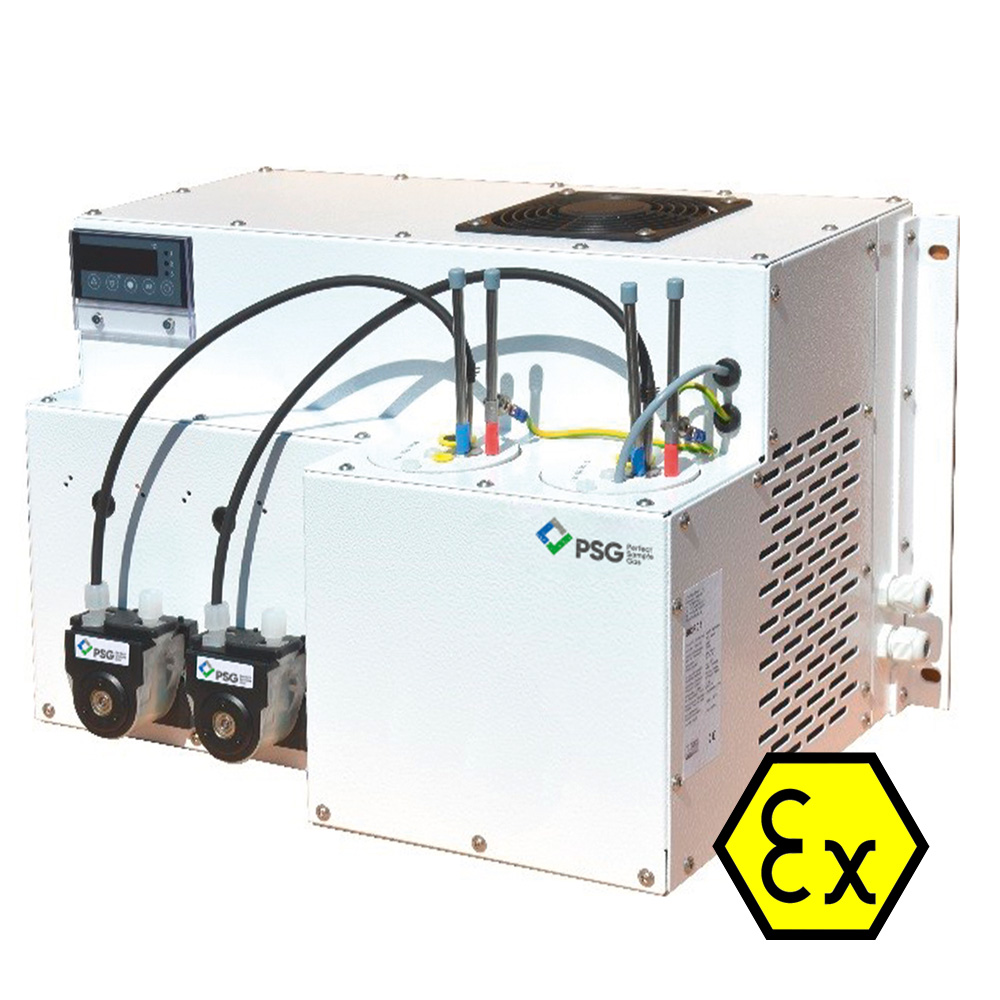
High Performance Compressor Cooler (outlet dew point optimized) with 1-4 Gas Path, Heat Exchanger in various Materials and flow rates up to 500 l/h
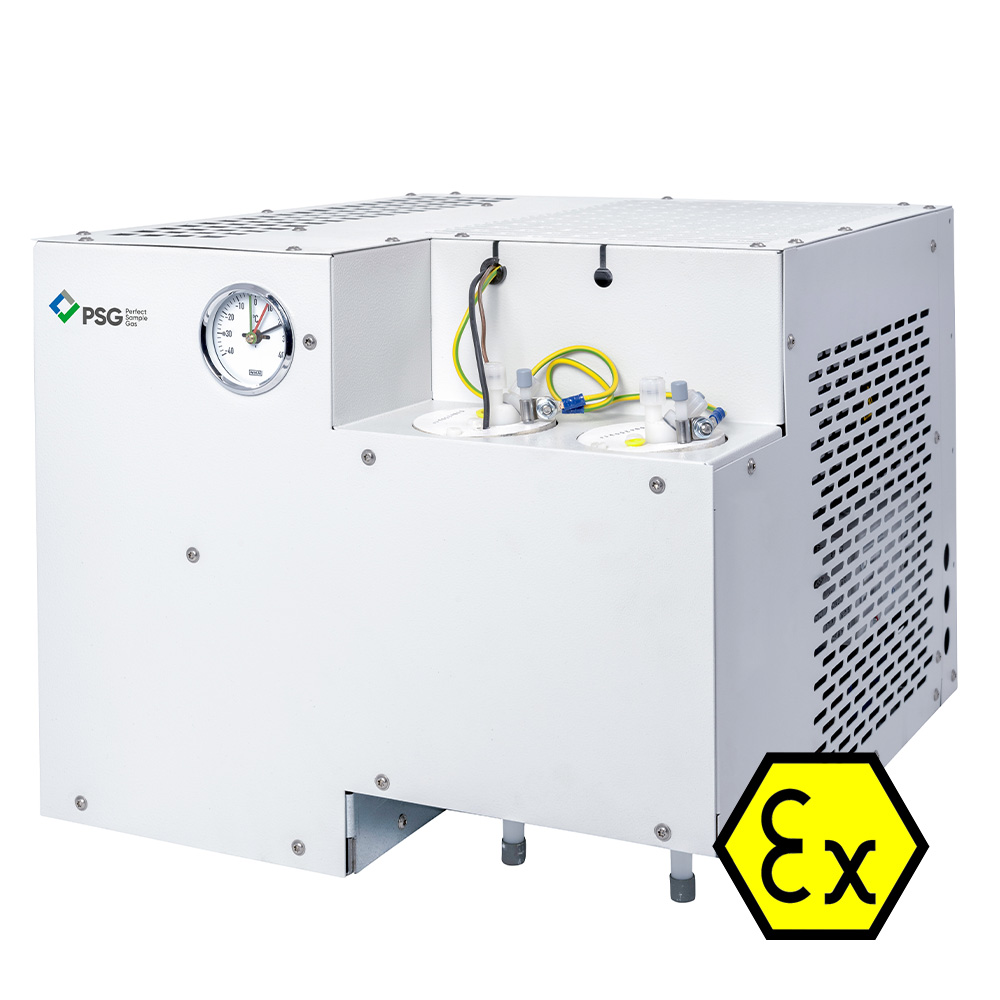
Compressor Cooler for Process Measurement (outlet dew point optimized), 1-4 Gas Path, Heat Exchanger in various Materials, flow rates up to 500 l/h for ATEX EX II 2G Ex px de [ai] IIC T4 Gb
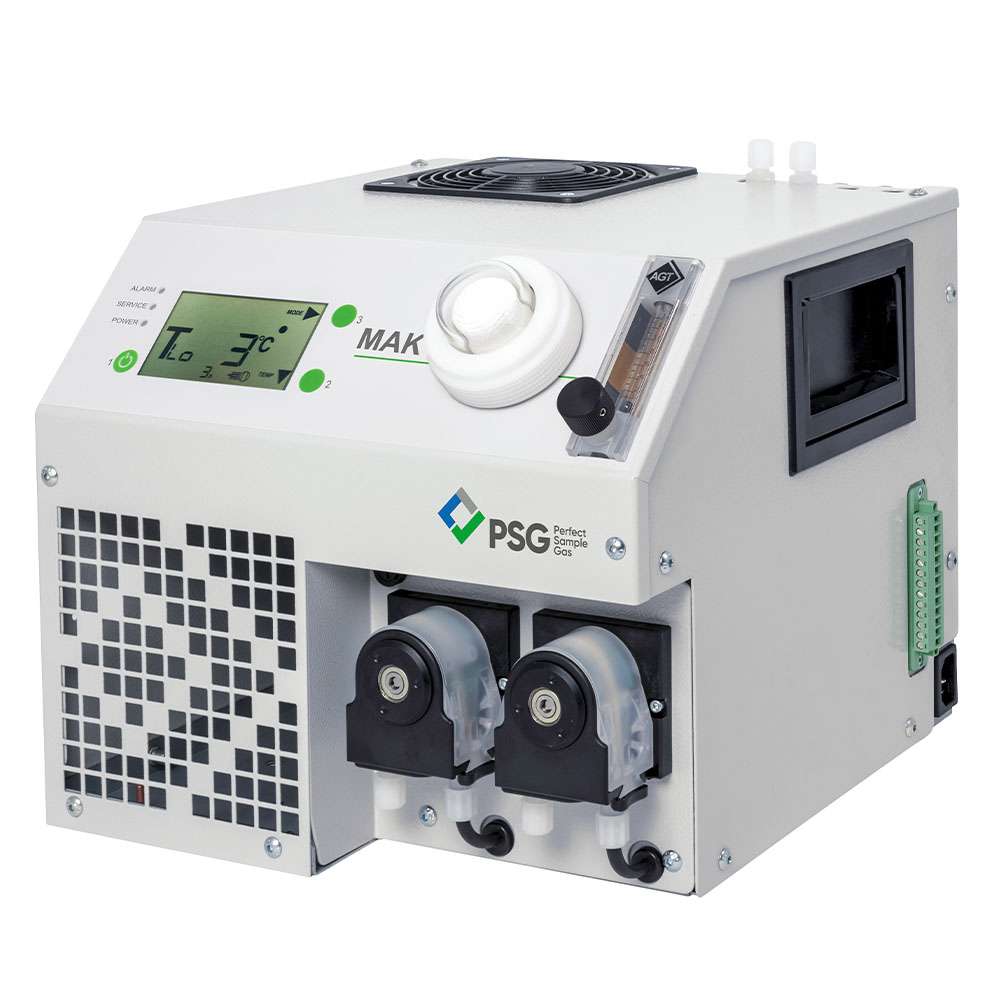
Compressor Cooler for CEMS (wash out optimized) with 1-4 Gas Path, Flow Rate up to 150 l/h and update options to full conditioing system, for mobile applications
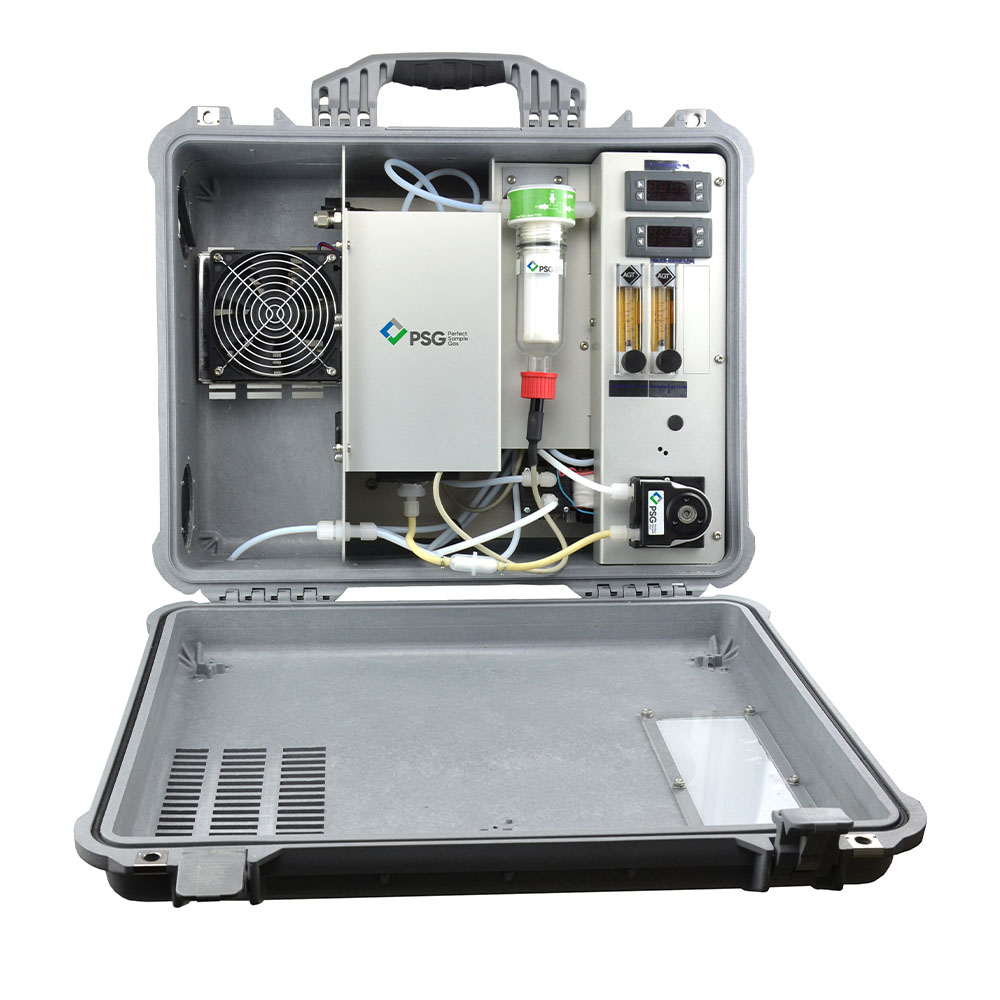
Mobile Conditioning System for temporary CEMS, Thermoelectric Cooler Flow Rate up to 250 l/h, integrated Gas Sample Pump and Temoerature controller for PSG Plus Flex Plane integrated in a robust Peli Case
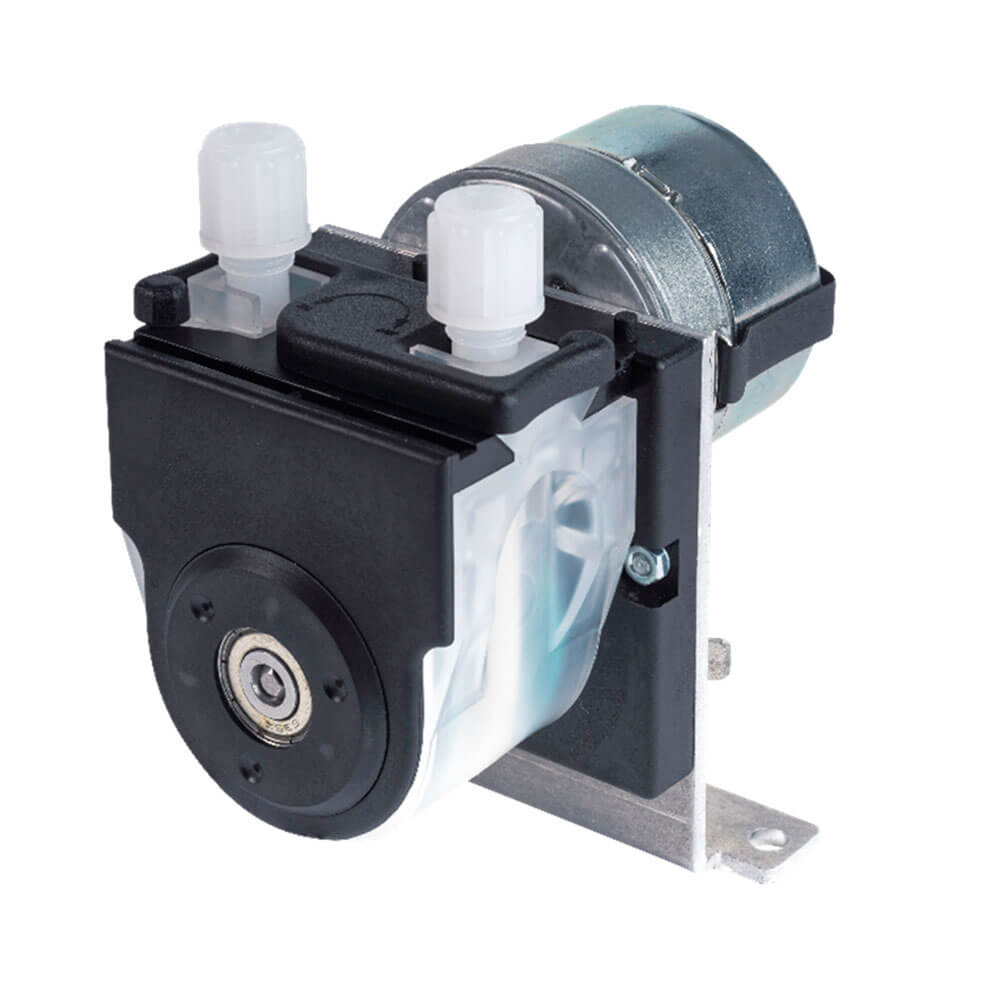
Self-suctioning Peristaltic Pump SR 25 with Synchronous motor and high chemical resistance
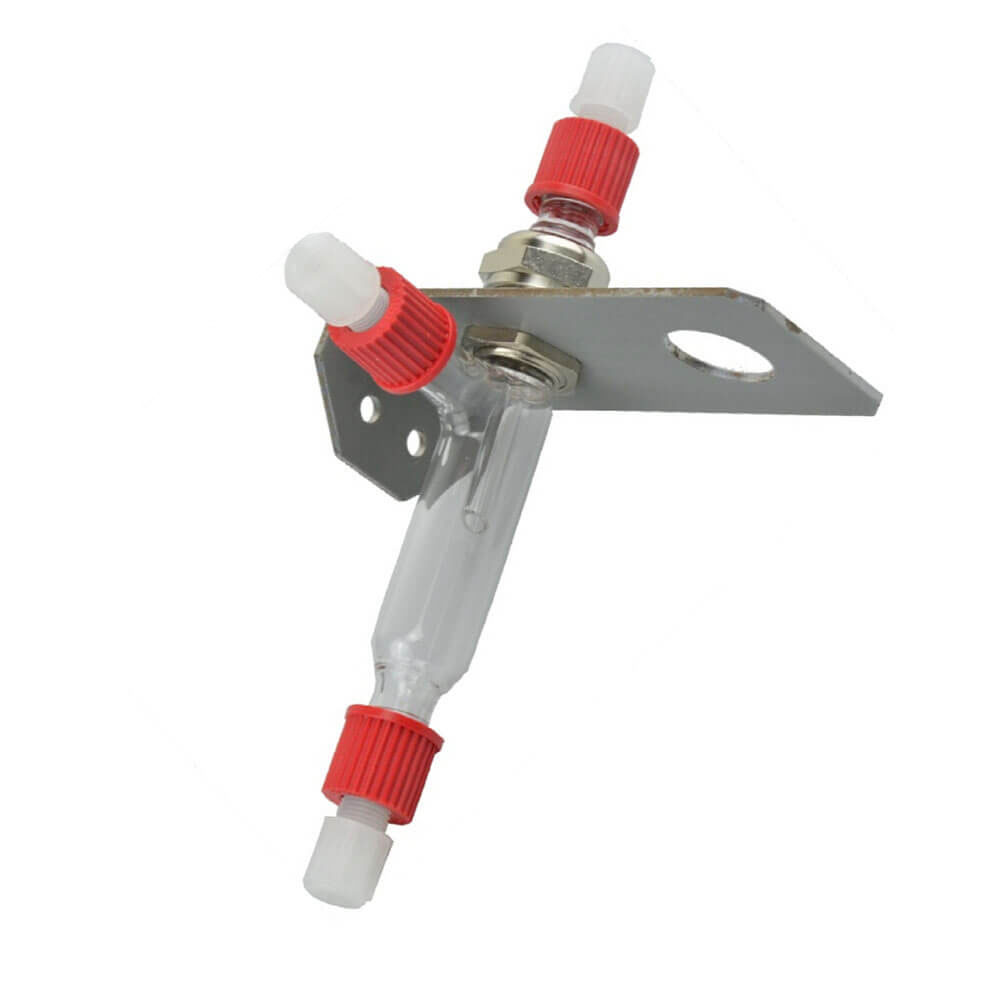
Condensate Separation for Pre-cooling to ambient temperature with high water vapour and ambient temperatures
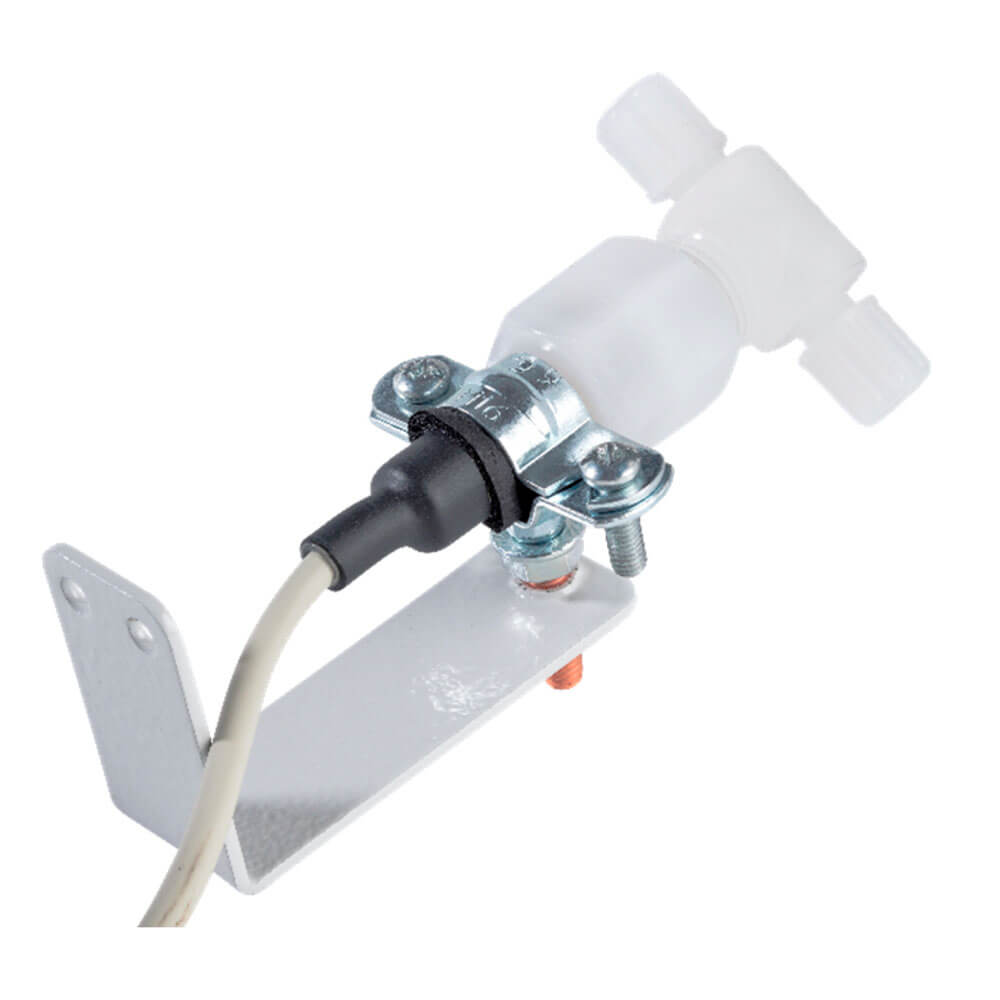
Safe detection of condensate as protection for the Analyzer with long lasting platinum electrodes
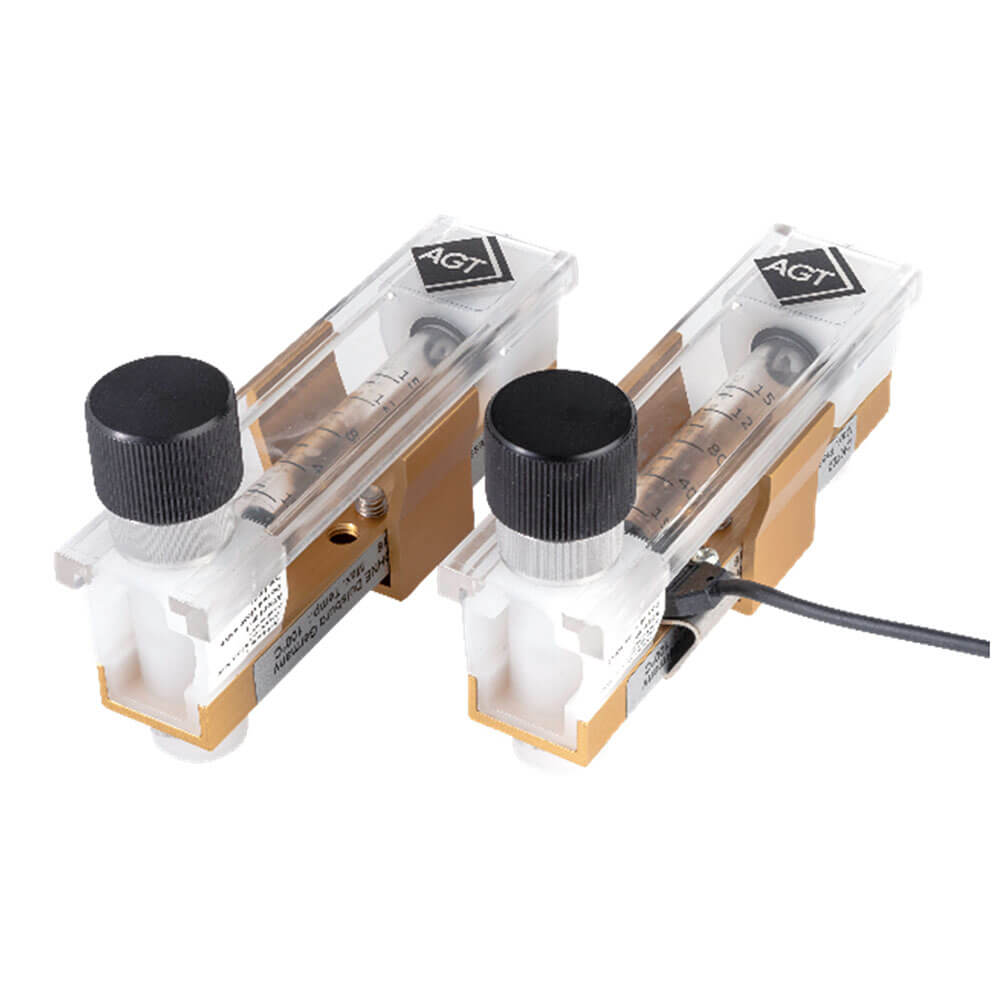
Exact linear flow rate adjustment with precise fine adjustment valve with high chemical resistance and optional light barrier sensor
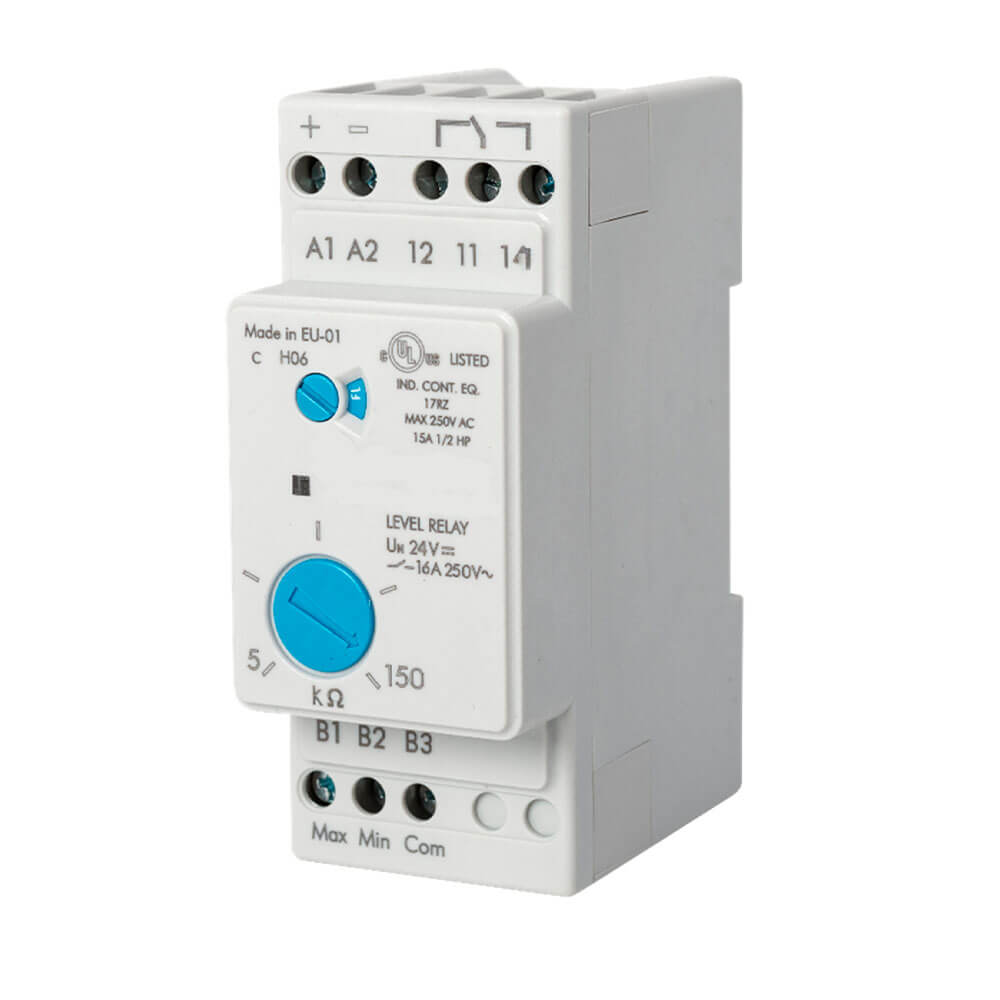
Electronic Control for alerting liquid sensor and Potential-free switch-contact for liquid sensor alerting
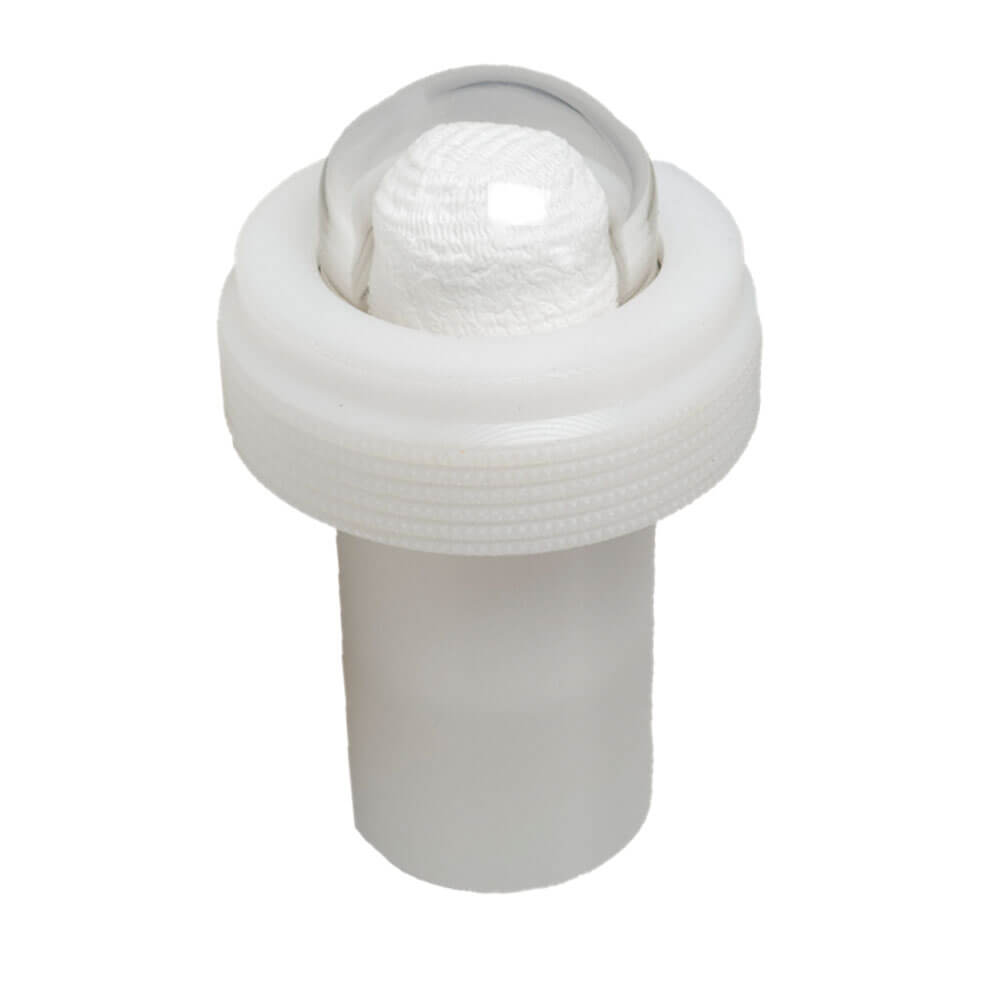
Depth Filter for the protection of the Analyzer against fine dust in PTFE and Glass Fibber versions

Nafion® measuring gas dryer
without falsifying side effects
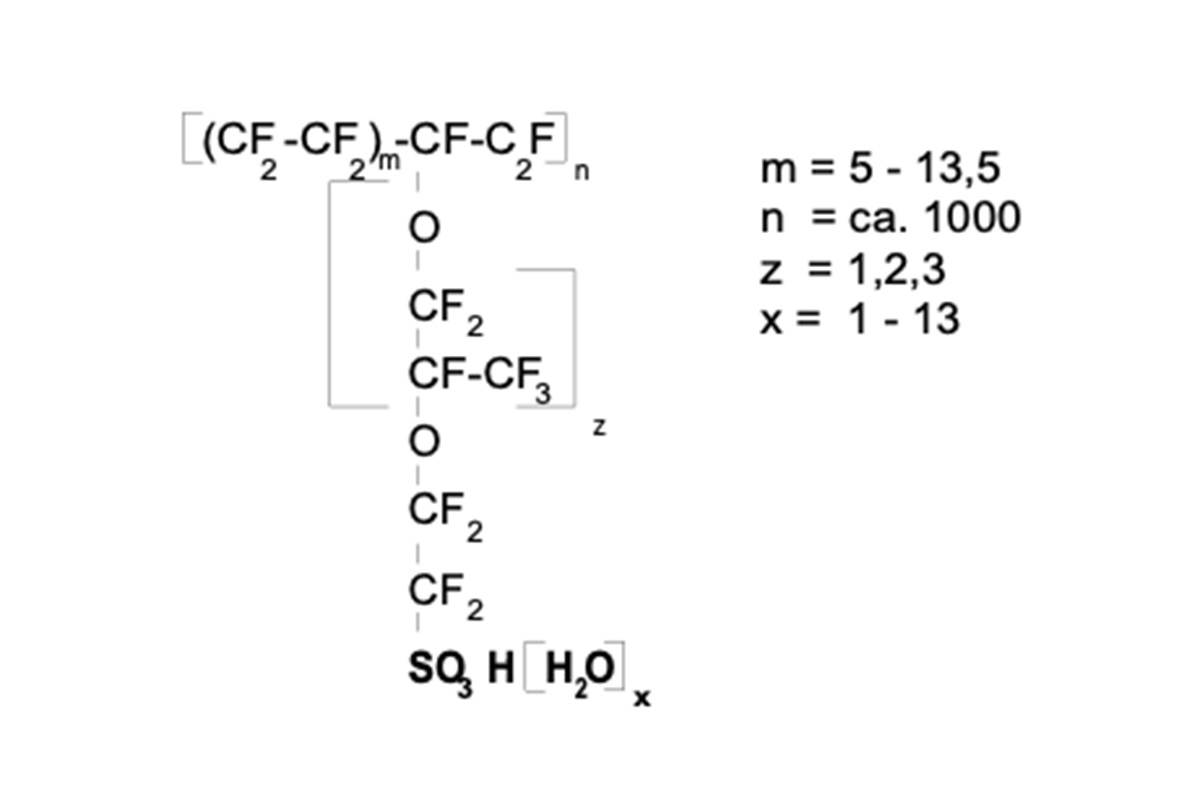
There are many reasons for drying sample gases for analysis, be it that the operating temperature of the analyzer is below the dew point temperature of the sample gas or that the analysis is disturbed by higher water concentrations. Conventional sample gas dryers such as condensate coolers, adsorption dryers or permeation dryers often change the composition of the sample gas by partially precipitating the sample component with the condensate, adsorbing it with the water or permeating it with the water. Drying with a Nafion® membrane, on the other hand, is based on a water-specific chemical process. Nafion® is a copolymer of perfluoro-3,6-dioxa-4methyl-7octenesulfonic acid and tetrafluoroethylene.
Principle of drying with Nafion® sample gas dryers
Nafion® is a copolymer of perfluoro-3,6-dioxa-4methyl-7octene sulfonic acid and tetrafluoroethylene.

Our Top Products

Gas humidifiers for precise humidification of calibration and sample gases; suitable for process and laboratory applications.

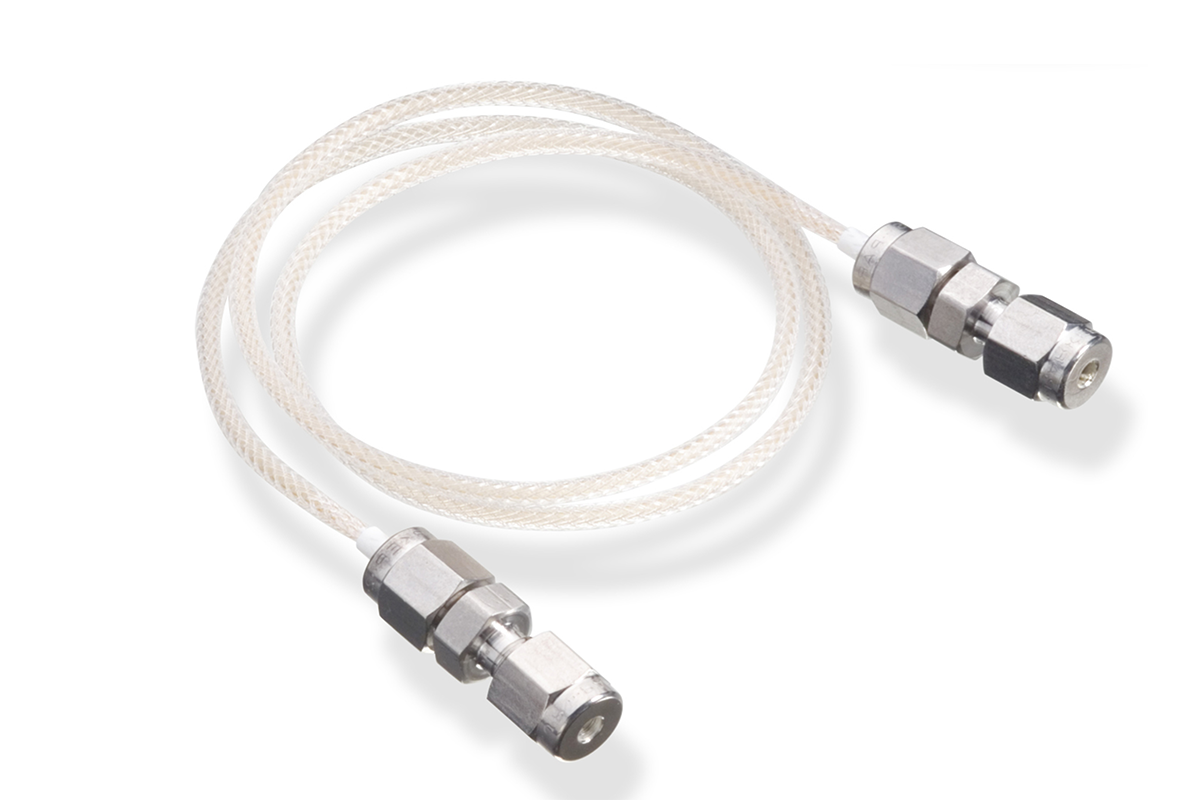
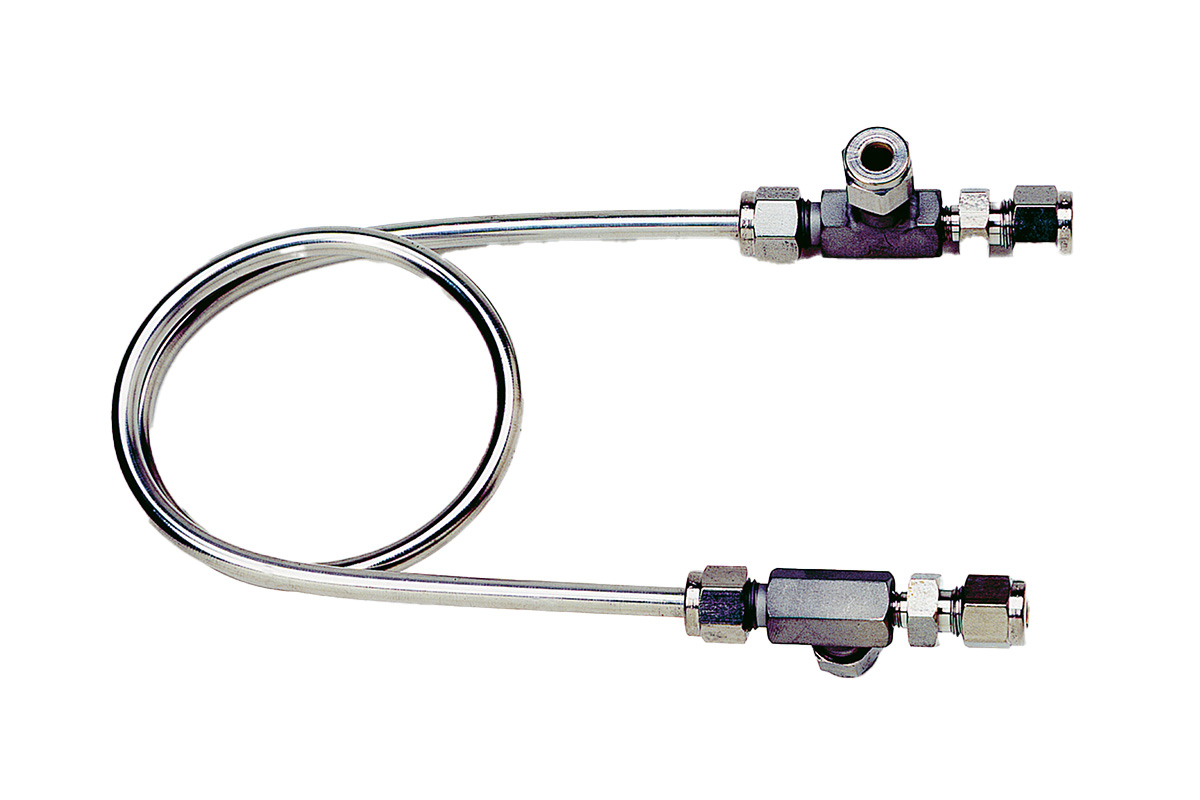
Mono Nafion™ sample gas dryers with rotating fittings; ideal for maximum flexibility in confined spaces.

Bundle humidifiers for humidifying large gas streams; used in laboratory applications and fuel cells.

High-capacity Nafion™ sample gas dryers for elevated flow rates (up to 144 tubes); direct purge-air connection.

Active heated Mono Dryers for very humid gas samples; prevents condensation despite high inlet dewpoints.

Nafion™ sample gas dryers designed for aerosol and particle analyzers; monotube design for precise drying.

Nafion™ sample gas dryers for low flow rates with a single Nafion core; direct purge-air connection.

Mobile sample gas dryer without the need for purge air; dries the sample gas using a molecular sieve.

Nafion™ tube for controlled release of moisture to the surrounding environment.

Principle of Drying With Nafion® Measuring Gas Dryers
Nafion® is a copolymer of perfluoro-3,6-dioxa-4methyl-7octene sulfonic acid and tetrafluoroethylene. Nafion® spontaneously absorbs water while its in its gaseous phase.
Each sulphonic acid group is surrounded by a maximum of 13 water molecules. The sulfonic acid groups form ion channels within the polymer through which water molecules can be transported.
When water touches a sulfonic acid group on the outside of the Nafion® film, it is momentarily bound by the group. Other sulfonic acid groups located on the inside of the wall now have a higher affinity for water because they have not yet bound any water. The water is consequently transported through the ion channels until the other side of the wall is reached and the Nafion® wall is saturated. This transport is rapid. If the water vapor partial pressure in the vicinity of the Nafion® wall is lower than in the Nafion® membrane itself, water is released into the atmosphere in the form of vapor – until the difference in water vapor partial pressure between the atmospheres on both sides of the wall is equalized. Water is always transported in the direction of the lower water vapor partial pressure.
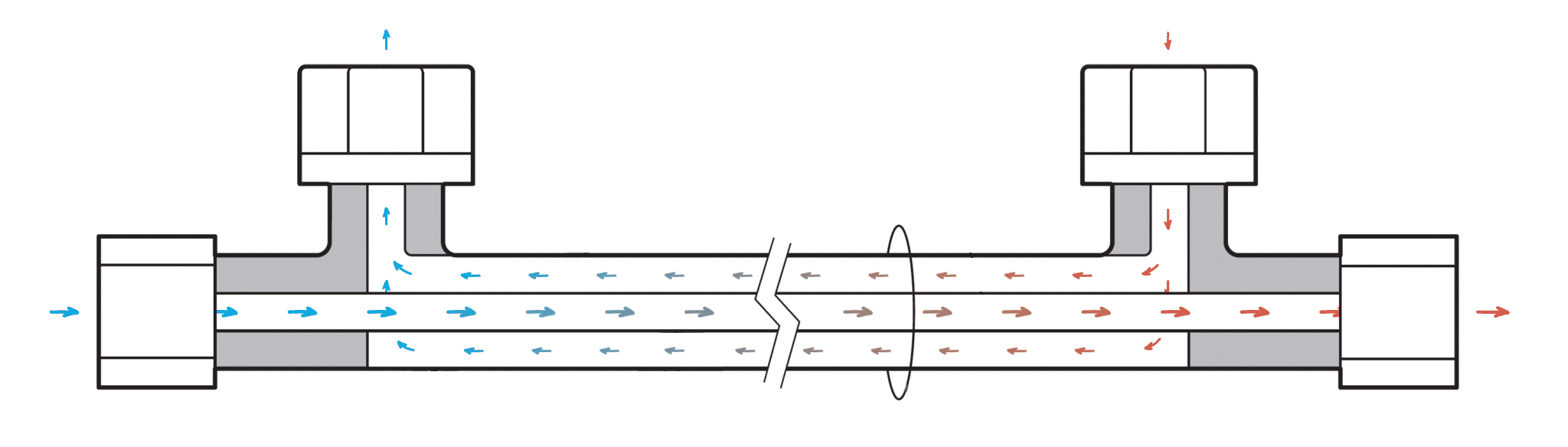
For the continuous drying of gases, the Nafion® is extruded as a tube. A Nafion® tube or a bundle of Nafion® tubes is surrounded by a housing and can therefore be supplied with a dry gas in counterflow. This continuously maintains a water vapor partial pressure gradient.
Temperature and Pressure Influences, Material Properties
Nafion® is stable up to a temperature of 160° C, but the housing material and the head of a tube bundle set lower limits. A gas temperature of 150° C must not be exceeded even when using PTFE or stainless steel housings.
The amount of residual water in the Nafion® wall is very temperature-dependent. At higher temperatures, the water is retained more by the wall than at lower temperatures and therefore cannot be released into the dry gas. The water concentration inside the Nafion® wall corresponds to the water concentration in the atmosphere outside the Nafion®. If the water concentration value in the moist sample gas reaches the water concentration value in the Nafion® wall, no more water can be absorbed and drying stagnates.
The remaining concentration of water in the Nafion® at the corresponding operating temperature determines the minimum water dew point that can be reached in the sample gas. At room temperature (20°C), the residual water remaining in the Nafion® corresponds to a water dew point in the gas of -45° C. This means that no lower dew point than -45°C can be reached at room temperature.
At higher temperatures, there is an approximate parallel shift in the minimum dew point, i.e. a dryer temperature of 60° C corresponds to a minimum dew point of -5° C.
As condensation due to falling below the dew point must not occur under any circumstances, Perma Pure dryers must be heated when using gases with higher humidity. Heated dryers should have a temperature gradient over their length so that optimum drying is achieved. The optimum configuration would be one in which the temperature is just above the dew point of the sample gas at every point of the dryer.
The differential pressure across the Nafion membrane influences the drying process via the water vapor partial pressures. At 13 bar, the burst pressure of the Nafion® tube is well above the maximum operating pressure of approx. 2 bar (differential pressure), depending on temperature and dryer type. The absolute pressure is of secondary importance.
Nafion® is extremely resistant to corrosion. At the application temperatures and in the gas phase, there are hardly any known substances that attack Nafion®. The application is limited by the materials of the dryer housing (stainless steel, PTFE, PVDF or polypropylene) and the seals (fluororubber FPM).
Selectivity of the Drying Process
The only known components that are also transported through the Nafion® membranes are those with a hydroxyl group. As most inorganic hydroxides do not occur in the gas phase (except as aerosols), this group of components is essentially limited to:
In addition, organic components that hydrate or are converted into alcohols or enols (aldehydes, ketones) by the acidic catalysis of Nafion® (Nafion® is a strong acid) can also be transported by Nafion®. Although Nafion® does not only transport water, the selectivity of drying with Nafion® is much better compared to other types of drying.
| Komponenten | geeignet | nicht geeignet |
|---|---|---|
| Atmosphärische Gase wie:N2, H2, O2, Edelgase | X | |
| Oxide: CO, CO2, SO2, SO3, NOx | X | |
| Halogene und Halogenverbindungen: Cl2, F2, HCl, HF, HBr, Halogenkohlenwasserstoffe | X | |
| Schwefelkomponenten: H2S, COS, Merkaptan | X | |
| Kohlenwasserstoffe (alle einfachen ohne funktionelle Gruppen) | X | |
| Toxische Gase wie: HCN, COCl2, NOCl | X | |
| Toxische Gase wie: HCN, COCl2, NOCl | X | |
| Anorganische Säuren | X | |
| Organische Komponenten wie: DMSO, Alkohole; org. Säuren, Aldehyde, Ketone | X | |
| Ammoniak und Ammoniumverbindungen | X |
Typical Installations
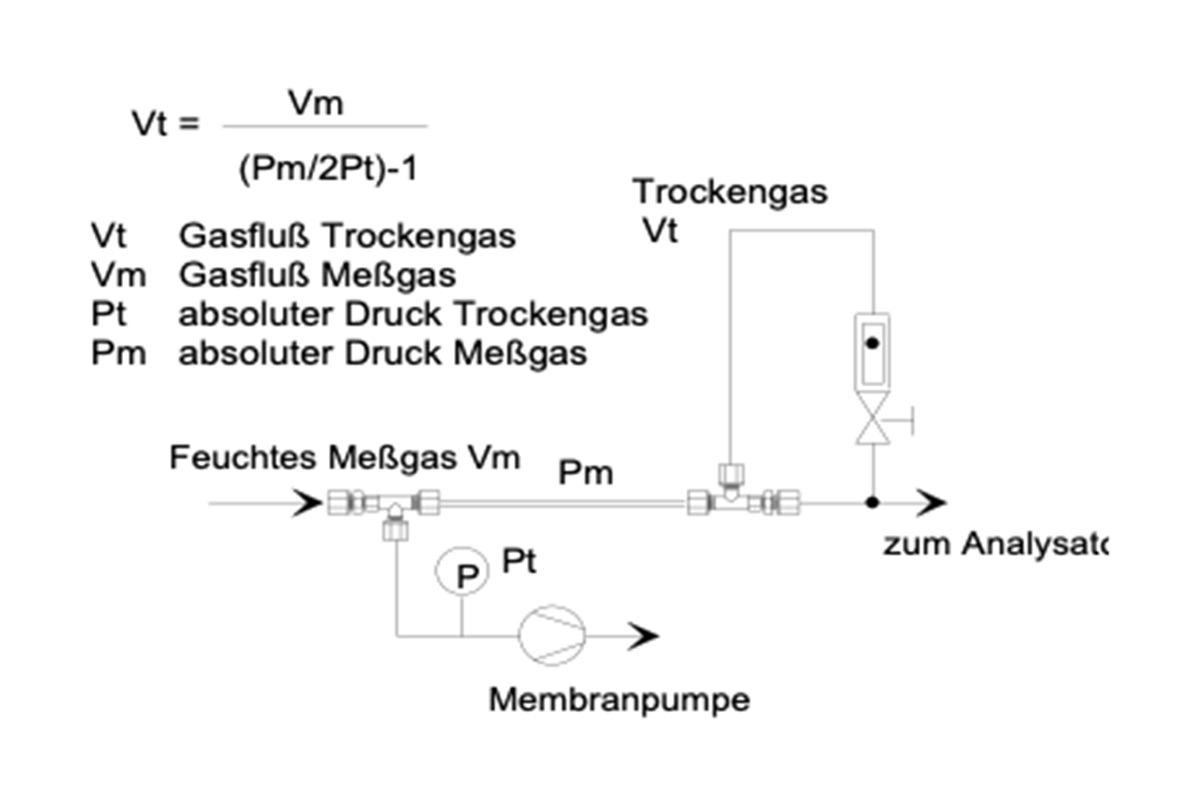
The simplest and most effective set-up is to operate the dryer with external drying gas in counterflow. It does not matter which gas is used. The dry gas flow should be approx. twice as high as the sample gas flow. Only when drying gases containing HCl must the dry gas flow be increased to 8 – 10 times the sample gas flow.
If no dry gas is available, a partial flow of the dried sample gas can be diverted and used as dry gas. In order to build up a water partial pressure difference, the purge gas obtained in this way must be pumped through the purge gas chamber at negative pressure. The differential pressure across the Nafion® wall should be at least 500 mbar.
Maintenance of Perma Pure Nafion® dryers
Perma Pure dryers are maintenance-free as long as the surface is not contaminated by particles or condensate. It is therefore necessary to operate Perma Pure dryers only with filtered gases and to use a clean, oil-free purge gas. In the event of contamination, Perma Pure dryers can be cleaned. For this purpose, the Nafion® tube or the tube bundle is rinsed with solvents such as halogenated hydrocarbons, isopropanol, then with diluted hydrochloric acid and finally with purified water.
Further Applications
As water always moves in the direction of the partial pressure gradient, Perma Pure dryers are also suitable for the selective humidification of gases. One of the most common applications is the humidification of dry sample gases or test gases for measuring methods that require a certain residual humidity.